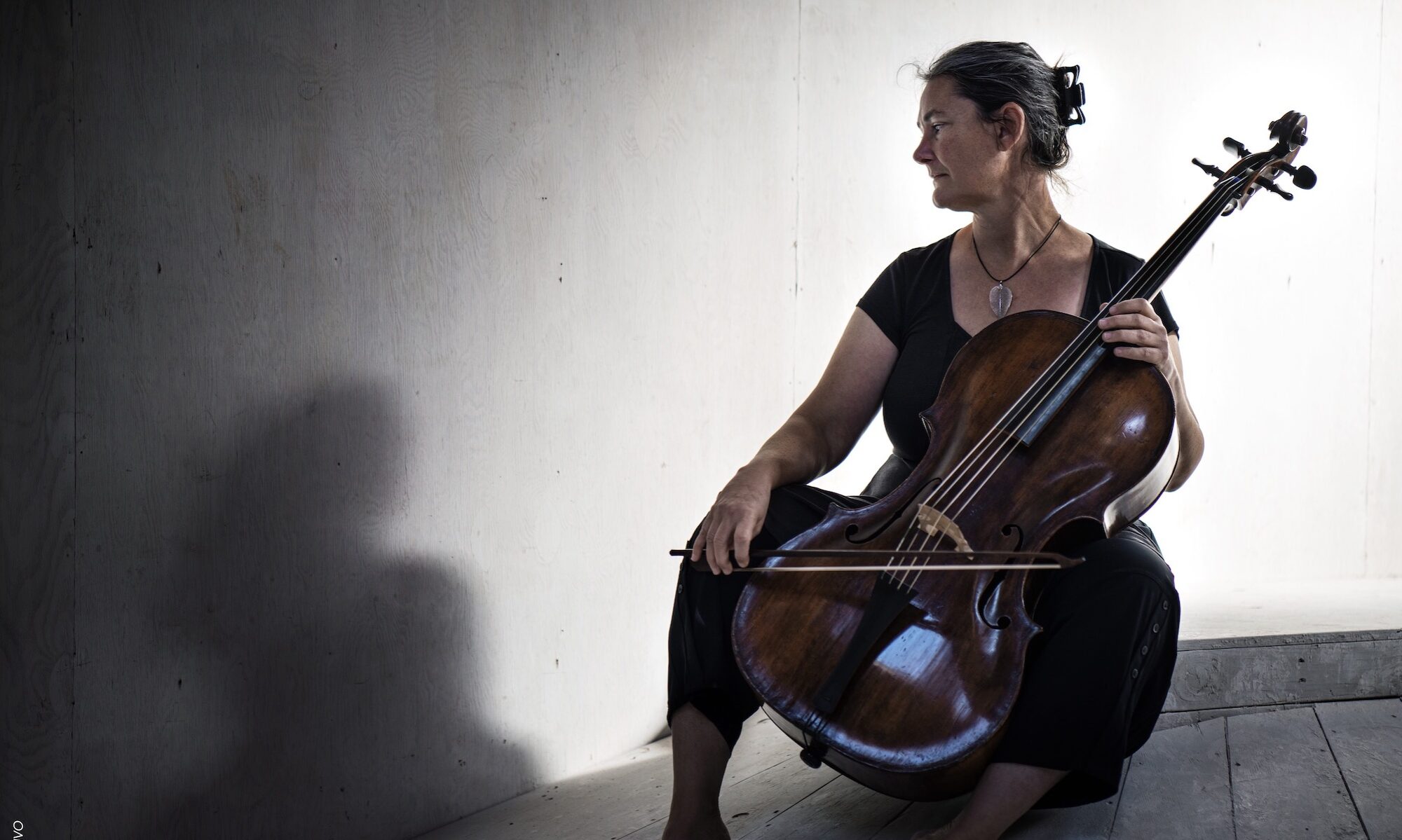
Hommages to György Kurtág (b. 1926) and Leoš Janáček (1854-1928)
West Oakland Sound Series – at the Dresher Studio in Oakland, CA
April 26th, 2026

PART I – in the countryside
Our Evenings – Janáček
Meandering Tune – Kurtág
A Blown Away Leaf – Janáček
Virág az ember (Flowers we are) – Kurtág
Twittering – Kurtág
They chattered like Swallows – Janáček
Virág az ember – Kurtág
The Barn Owl has not Flown Away! – Janáček
Bluebell – Kurtág
Madonna of Frydek – Janáček
Virág az ember (alio modo) – Kurtág
Ach wie flüchtig, ach wie nichtig – Bach
PART II – dancing
Perpetuum Mobile – Kurtág
Come with us! – Janáček
Keringö (Waltz) – Kurtág
Hommage à Ránki György (Pizzicato Keringö) – Kurtág
Jelek II – Kurtág
A slow waltz for Walter Levin – Kurtág
Sarabande – Kurtág
PART III – together and alone
Hand in hand – Kurtág
György Kroo in memoriam – Kurtág
Faltering – Kurtág
Words Fail! – Janáček
Unutterable Anguish – Janáček
(quiet talk with the Devil) – Kurtág
In Tears – Janáček
Quarreling – Kurtág
Flower for Marta – Kurtág
Virág – in memoriam – Kurtág
Jelek VI – Kurtág
Flower for Nuria – Kurtág
PART IV – memories
Kyrie – Machaut
Ligatura Y – Kurtág
Les Adieux (in Janáčeks manier) – Kurtág
One more voice from far away – Kurtág
Ligatura X – Kurtág
Hommage à JSB – Kurtág
Hommage à JSB – Kurtág
Hommage à Kurtág – Scott
Gotteszeit ist die Allerbeste Zeit – Bach
…féerie d’automne… – Kurtág
Hommage à Janáček – Scott
Good Night! – Janáček
All the Janáček pieces are from his “On an Overgrown Path” (Book 1) – a collection of ten pieces for piano he composed between 1901 and 1912, and published together in 1925.
https://www.leosjanacek.eu/en/life
The Kurtág works are from his ongoing collection Signs, Games and Messages (Jelek, játékok és üzenetek). The trios are published in a single volume of 10; the piano pieces come from volumes 1, 4, 5 and 8 of “Jatékok” for solo piano, piano four hands, and two pianos. He began composing his miniatures in 1961; he continues to compose at age 100!
https://www.nytimes.com/2026/03/10/arts/music/gyorgy-kurtag-100.html
Why did I put this program together?
As a long time member of sfSound I have performed dozens – 100’s – of concerts including works by seminal twentieth century composers, works by our close colleagues and friends in the new and experimental music scene, and emerging new composers, students and touring artists. It was in this environment that I began to feel the urge to compose myself, to trust that my personal voice was as valid as anyone else’s, and that indeed I have an aesthetic and approach to composition that can produce interesting and gripping music. Perhaps I consider my composition more like sculpture in sound, where I’m fascinated by certain thoughts, concepts, ideas – or in the case of my recent work, the natural rhythms and organic patterns in the birdsong around me. Succinctly, I’m interested in listening to coincidental phrases, or even single notes – how resonances between notes and phrases can combine. Context is of course also so important in how we perceive music; to that end, I think the selection of miniatures for this program and the alternating of the musical languages can enhance our comprehension of Kurtág’s and Janáček’s voices. I have placed my pieces near the end of the program, hoping that they come off not as imitations but as a personal sign of appreciation.
I met and worked with György Kurtág at the International Musicians Seminar at Prussia Cove in England in the mid 1990’s. I was with a piano trio, and Kurtag, despite being a composer, only wanted to coach “the Masters.” In that two week class he worked solely on Beethoven and Brahms. His unbelievable ear, and commitment to total immersion, full involvement and complete dedication to the execution of every aspect of a note, a phrase, and the form of the whole was almost overwhelming. The concert I heard him play at a medieval Cornish church with his wife Marta at the piano beside him (and some distant string players in the balcony) was deeply moving. It included several of the Bach transcriptions in this program; there was a ceremonial quality to the performance that elevated the experience for me. Indeed, every concert I’ve heard dedicated to the music of Kurtag integrated his works, all miniatures that are really best described in his own words as “Signs, Games and Messages,” with his transcriptions, and pieces by other composers.
Discovering that there is a string trio version of ten of Kurtag’s pieces from his collection “Jatekok” (Games), I could not resist working out how to curate a program that could include my own Janacek transcriptions. And with many of Kurtag’s works being “Hommages” to friends of his, or composers, poets, philosophers whom he admires, I too had to compose an “Hommage to Kurtág.” It’s secretly based on the opening of the Beethoven trio he coached me on. That Kurtag himself has a piece, “Les Adieux – in the manner of Janacek” is a lovely coincidence.
One of the best ways to begin to hear music how Kurtag hears it is, I think, to listen to the way he chose to transcribe his own pieces from the piano original to other instrumentation. There are so many versions of “Viràg az ember” for instance. The title roughly translates to “Flowers we are” – fragile, ephemeral, short-lived, beautiful, varied…While his own piano playing glows with delicate color variation, the string trio versions make brilliant use of string techniques like artificial harmonics, pizzicato, and timbral changes using different types of mutes.
I was recording and analysing my local garden birds on my favorite Merlin app. when I had a “revelation” that Janacek’s music seemed to be based on extraordinarily similar lines. I’ve always appreciated Janacek – his cello and piano “sonata” Pohádka, or Fairytale, is one of my favorite pieces – I love the juxtaposition of sharply defined rhythmic motives with arching melodies and an inner energy that reflects a subtle, but wide range of emotions. I got it into my head that his piano work from the very beginning of the 20th century, “On an Overgrown Path” might sound beautiful in an arrangement for string trio. Many of the ten pieces that comprise Book 1 involve multiple repetitions of a short phrase, with alterations in the harmonies shifting the mood and direction of the piece. These melodies are interrupted by contrasting sections – which in turn repeat, but sometimes truncated, elongated or altered in some way.
Look at the house finch’s song I recorded outside my house:

There are obvious gestures that are repeated, some of the shapes repeat but in different orders, and each phrase has subtle differences, while obviously also similiarities. The space in between the phrases is relatively equal. My interpretation of these phrases created the gestures in the violin solos in my “Hommage à Janacek.” The repetitive “chorus” is derived from the call of a Bewick’s wren, which seems to be always in three distinct sections, ending with a 3,4 or 5 note figure.


As I wrote each iteration of the phrase for the trio, I enjoyed discovering how hearing it with different harmonies reminded me of Janacek’s observation that the same words, the same sentences, could have their hidden meaning altered completely by the choice of harmony. Sharing a passion for language – and it seems nature and my own garden – is why I think Janacek’s music truly “speaks” to me.
Here is a short article about the Overgrown Path, as well as one of my favorite recordings of the original piece.
https://interlude.hk/the-nostalgia-and-pain-of-memory-janaceks-on-an-overgrown-path
To learn more about sfSound and the West Oakland Sound Series please visit
sfsound.info
Selections from previous performances.